Echinacea purpurea
التصنيف
عائلةAsteraceae
جنسEchinacea
منطقة3
أعرف أكثر
Plants of the World Onlineعن
Echinacea purpurea, commonly known as purple coneflower, is a perennial plant native to North America. It belongs to the Asteraceae family and is well-known for its daisy-like flowers with purple petals and a spiny central cone. This plant is often used in gardens for its attractive appearance and is also valued for its medicinal properties. Echinacea purpurea undergoes a dormancy period during the winter months.
المعروف أيضا باسم
Helichroa Alba
Helichroa Amoena
Helichroa Crocea
Helichroa Elatior
Helichroa Fusca
Helichroa Fuscata
Helichroa Linnaeana
Helichroa Uniflora
Purple Coneflower
Brauneria purpurea
Echinacea
Echinacea intermedia
Echinacea purpurea f. liggettii
Echinacea purpurea f. purpurea
Echinacea purpurea var. arkansana
Echinacea purpurea var. serotina
Echinacea serotina
Helichroa purpurea
Lepachis purpurea
Red echinacea
Rudbeckia aspera
Rudbeckia hispida
Rudbeckia purpurea
Rudbeckia purpurea var. purpurea
Rudbeckia purpurea var. serotina
Rudbeckia serotina
ملخص
VPDاحسب
ماءجاف
تربةطفيلي
ضوءبرايت مباشر (6 ساعات)
درجة حرارة20
رطوبة50
السكون3 الشهور
الرقم الهيدروجيني6.5
الضغط1,013
تفاصيل
تعليمات العناية
Purple coneflowers thrive in temperate climates and prefer full sun exposure. They are relatively low-maintenance and can tolerate moderate temperatures. Watering should be done when the soil is almost dry, and the plant benefits from moderate humidity levels. Ensure the plant receives plenty of sunlight for optimal growth.تربة
Echinacea purpurea prefers well-draining loamy soil. It can tolerate a range of soil types but thrives best in soil that is not too rich in nutrients. Good drainage is essential to prevent root rot, so avoid waterlogged conditions.سماد
A balanced fertilizer with an N-P-K ratio of 10-10-10 can be applied during the growing season. Fertilize sparingly, as over-fertilization can lead to weak growth. Once or twice a season is usually sufficient.إعادة السمعة
Repotting is generally not necessary for Echinacea purpurea, as it is typically grown outdoors. However, if grown in containers, repotting can be done in early spring before new growth begins. Choose a slightly larger pot and ensure good drainage.الانتشار
Echinacea purpurea can be propagated by seeds, division, or cuttings. Seeds can be sown in the spring, while division is best done in early spring or fall. Cuttings can be taken in late spring or early summer. Ensure the soil is moist but not waterlogged during propagation.تشذيب
Pruning is beneficial for Echinacea purpurea to encourage bushier growth and more blooms. Deadhead spent flowers to promote continuous blooming. Cut back the plant to the ground in late fall or early spring to remove dead foliage and prepare for new growth.تسمم
Echinacea purpurea is generally non-toxic to pets and humans. It is safe to grow in gardens where pets and children may be present. However, as with any plant, it is best to avoid ingestion of large quantities.إضافي
Echinacea purpurea is not only a beautiful addition to gardens but also attracts pollinators such as bees and butterflies. It is known for its medicinal properties, particularly in boosting the immune system. The plant can be used to make herbal teas and extracts.أحدث ثورة في العناية بالنباتات الخاصة بك
اجعل كل نبات ذكيًا
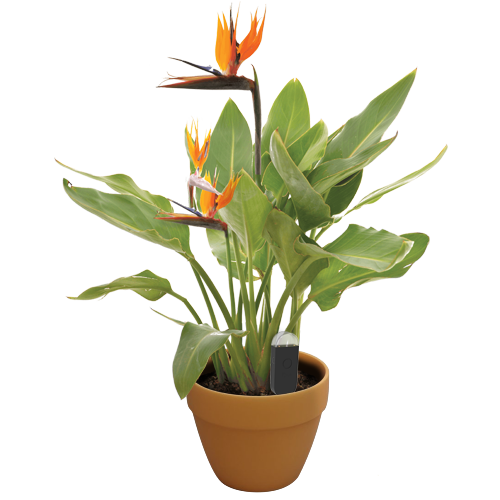
مراقب النبات
يبقى في مصنعك
يقيس بدقة المقاييس الأساسية لنباتك - رطوبة التربة والضوء ودرجة الحرارة والرطوبة - بالإضافة إلى المقاييس المركبة مثل نقص ضغط البخار (VPD) وأيام درجة النمو (GDD).
تسوق الآن