Asclepias purpurascens
TAXONOMÍA
FamiliaApocynaceae
GéneroAsclepias
Zona3
APRENDE MÁS
Plants of the World OnlineACERCA DE
Asclepias purpurascens, commonly known as Purple Milkweed, is a perennial plant native to North America. It belongs to the Apocynaceae family and the Asclepias genus. This plant is known for its vibrant purple flowers and is a favorite among pollinators, especially butterflies. It typically goes dormant in the winter months.
TAMBIÉN CONOCIDO COMO
Purple Milkweed
Asclepias amoena
Asclepias compressa
Asclepias dasypus
Asclepias gonalis
Asclepias lasiotis
DESCRIPCIÓN GENERAL
VPDCalcular
AguaHúmedo
SueloFranco
LuzBrillo directo (6 Horas)
Temperatura20° C
Humedad50
Inactividad4 Meses
pH6,5
Presión1013
DETALLES
Instrucciones de cuidado
Purple Milkweed thrives in bright, direct sunlight and prefers moderate temperatures. It requires a moderate level of humidity and should be watered when the soil partially dries out. This plant is best suited for outdoor growth where it can receive ample sunlight.Suelo
Purple Milkweed prefers well-draining loamy soil. It can tolerate a range of soil types but thrives best in soil that retains some moisture without becoming waterlogged. Ensure the soil is slightly acidic to neutral for optimal growth.Fertilizante
Use a balanced fertilizer with an N-P-K ratio of 10-10-10. Fertilize the plant during the growing season, typically in spring and summer, to support its growth and flowering.Trasplante
Repotting is generally not necessary for Purple Milkweed as it is typically grown outdoors. However, if grown in a container, repot in early spring before new growth begins. Ensure the new pot has good drainage.Propagación
Purple Milkweed can be propagated by seeds or root cuttings. The best time to propagate is in early spring. Sow seeds directly in the soil or take root cuttings and plant them in a well-draining soil mix.Poda
Pruning is beneficial for Purple Milkweed to maintain its shape and encourage new growth. Prune in late winter or early spring before new growth starts. Remove any dead or damaged stems.Toxicidad
Purple Milkweed is toxic to pets and humans if ingested. All parts of the plant contain toxic compounds that can cause nausea, vomiting, and diarrhea. Handle with care and keep away from children and pets.Adicional
Purple Milkweed is an excellent plant for attracting butterflies and other pollinators to your garden. It is also a host plant for the Monarch butterfly caterpillar. Ensure it has enough space to grow as it can spread and form clumps over time.REVOLUCIONE EL CUIDADO DE SUS PLANTAS
Haga Que Cada Planta Sea Inteligente
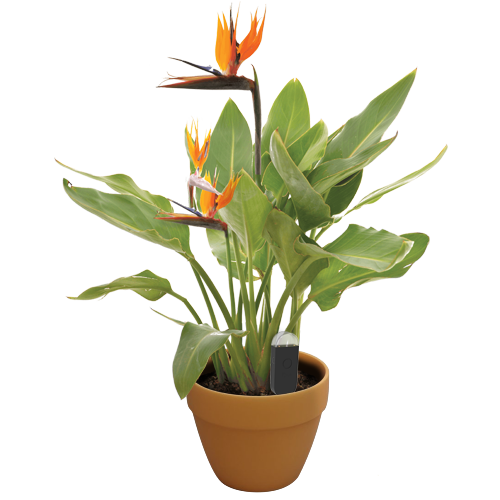
Monitor de planta
SE QUEDA EN TU PLANTA
Mide con precisión las métricas principales de su planta (humedad del suelo, luz, temperatura y humedad), así como métricas compuestas como el déficit de presión de vapor (VPD) y los grados día de crecimiento (GDD).
Compra ahora