Carex parviflora
TAXONOMÍA
FamiliaCyperaceae
GéneroCarex
Zona4
APRENDE MÁS
Plants of the World OnlineACERCA DE
Carex parviflora, commonly known as small-flowered sedge, is a perennial plant in the family Cyperaceae. It is native to temperate regions and typically found in moist meadows, marshes, and along stream banks. This plant has a dormancy period during the winter months.
TAMBIÉN CONOCIDO COMO
Smallflowered Sedge
Carex alpina var. parviflora
Carex atrata subsp. nigra
Carex atrata var. conglomerata
Carex atrata var. nigra
Carex atrata var. parviflora
Carex binata
Carex nigra
Carex nigra subsp. chlorogona
Carex nigra var. chlorogona
Carex pirinensis
Edritria parviflora
DESCRIPCIÓN GENERAL
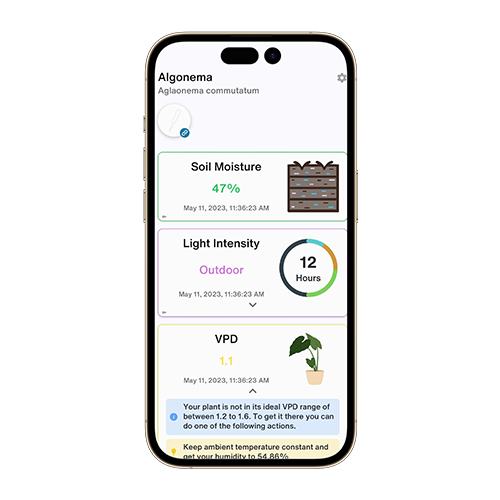
VPDCalcular
AguaHúmedo
SueloFranco
LuzBrillante indirecto (6 Horas)
Temperatura15° C
Humedad60
Inactividad3 Meses
pH6,5
Presión1013
DETALLES
Instrucciones de cuidado
Carex parviflora thrives in environments with indirect bright light and moderate temperatures. It prefers evenly moist soil and moderate humidity levels. Regular watering is essential to keep the soil from drying out completely.Suelo
This plant prefers loamy soil that retains moisture well but also has good drainage. A mix of garden soil with organic matter such as compost works well. Ensure the soil remains consistently moist but not waterlogged.Fertilizante
Carex parviflora does not have high fertilizer requirements. If desired, a balanced, slow-release fertilizer can be applied during the growing season to support healthy growth.Trasplante
Repotting is generally not necessary for Carex parviflora unless it outgrows its container. If repotting is needed, do so in the early spring before the growing season begins. Use a pot with good drainage and fresh loamy soil.Propagación
Propagation of Carex parviflora can be done through division. The best time to propagate is in early spring or late fall. Carefully divide the root clumps and replant them in suitable soil conditions.Poda
Pruning is not typically required for Carex parviflora. However, removing dead or damaged leaves can help maintain the plant's appearance and health.Toxicidad
Carex parviflora is not known to be toxic to pets or humans. It is generally considered safe to have around the home and garden.REVOLUCIONE EL CUIDADO DE SUS PLANTAS
Haga Que Cada Planta Sea Inteligente
Monitor de planta
SE QUEDA EN TU PLANTA
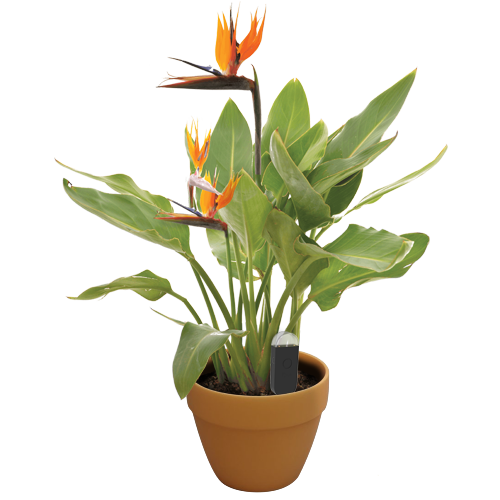
Mide con precisión las métricas principales de su planta (humedad del suelo, luz, temperatura y humedad), así como métricas compuestas como el déficit de presión de vapor (VPD) y los grados día de crecimiento (GDD).
Compra ahora