Claytonia sibirica
TAXONOMÍA
FamiliaMontiaceae
GéneroClaytonia
Zona6
APRENDE MÁS
Plants of the World OnlineACERCA DE
Claytonia sibirica, commonly known as Siberian Spring Beauty or Candy Flower, is a flowering plant in the family Montiaceae. It is native to the temperate regions of North America, particularly the Pacific Northwest. This plant can be either annual or perennial and is known for its delicate pink or white flowers with dark pink veins. It typically grows in moist, shaded areas and is often found in woodlands and along stream banks.
TAMBIÉN CONOCIDO COMO
Candyflower
Claytonia alsinoides
Claytonia alsinoides var. rosea
Claytonia assarifolia
Claytonia bifida
Claytonia bulbifera
Claytonia sibirica f. albiflora
Claytonia sibirica var. minor
Claytonia sibirica var. sibirica
Claytonia unalaschkensis
Claytonia unalaschkensis var. heterophylla
Limnia alsinoides
Limnia bulbifera
Limnia sibirica
Montia bulbifera
Montia sibirica
Montia sibirica var. bulbifera
Montia sibirica var. heterophylla
DESCRIPCIÓN GENERAL
VPDCalcular
AguaHúmedo
SueloFranco
LuzBrillante indirecto (6 Horas)
Temperatura15° C
Humedad60
Inactividad3 Meses
pH6,5
Presión1013
DETALLES
Instrucciones de cuidado
Claytonia sibirica thrives in moderate temperatures and prefers indirect bright light. It requires evenly moist soil and does well in environments with moderate humidity. This plant is relatively easy to care for and can adapt to both indoor and outdoor settings, making it a versatile addition to any garden or home.Suelo
This plant prefers loamy soil that is well-draining yet retains moisture. A soil mix that includes organic matter will help maintain the necessary moisture levels. Ensure the soil is not too compact to allow for proper root growth.Fertilizante
Claytonia sibirica benefits from a balanced fertilizer with a nutrient composition of 5-10-10. Fertilize the plant during the growing season to promote healthy growth and flowering. Avoid over-fertilizing, as this can lead to nutrient burn.Trasplante
Repotting is generally not necessary for Claytonia sibirica unless it outgrows its container. If repotting is needed, do so in the early spring before the growing season begins. Use a pot that is slightly larger than the current one and ensure it has good drainage.Propagación
Claytonia sibirica can be propagated by seed or division. For seed propagation, sow the seeds in a well-draining soil mix in early spring. For division, carefully separate the plant clumps and replant them in suitable soil. Both methods are relatively straightforward and can be done during the growing season.Poda
Pruning is not typically required for Claytonia sibirica. However, you can remove any dead or damaged leaves to maintain the plant's appearance and health. This can be done at any time during the growing season.Toxicidad
Claytonia sibirica is not known to be toxic to pets or humans. It is generally considered safe to have around children and animals. However, as with all plants, it is best to prevent ingestion of large quantities.REVOLUCIONE EL CUIDADO DE SUS PLANTAS
Haga Que Cada Planta Sea Inteligente
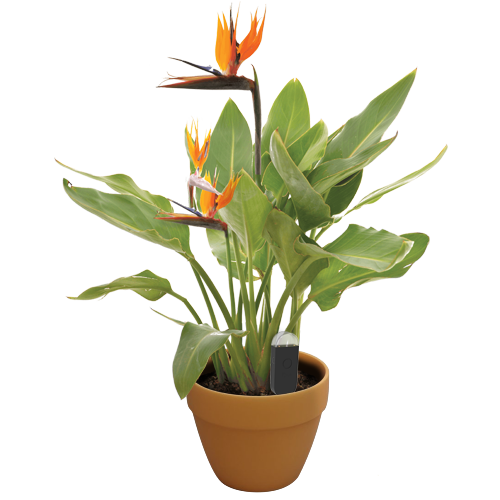
Monitor de planta
SE QUEDA EN TU PLANTA
Mide con precisión las métricas principales de su planta (humedad del suelo, luz, temperatura y humedad), así como métricas compuestas como el déficit de presión de vapor (VPD) y los grados día de crecimiento (GDD).
Compra ahora