Disocactus phyllanthoides
TAXONOMÍA
FamiliaCactaceae
GéneroDisocactus
Zona10
APRENDE MÁS
Plants of the World OnlineACERCA DE
Disocactus phyllanthoides, commonly known as the Nopalxochia or German Empress, is a succulent epiphyte native to seasonally dry tropical climates. It belongs to the Cactaceae family and is known for its striking, large, pink flowers. This plant thrives in environments that mimic its native habitat, with a preference for bright, indirect light and moderate humidity.
TAMBIÉN CONOCIDO COMO
Cactus Elegans
Leafy Jungle Cactus
Opuntia Speciosa
Phyllocactus Plukenetii
Cactus phyllanthoides
Cereus phyllanthoides
Cereus phyllanthoides var. albiflorus
Cereus phyllanthoides var. curtisii
Cereus phyllanthoides var. jenkinsonii
Cereus phyllanthoides var. quillardieri
Cereus phyllanthoides var. vandesii
Epiphyllum phyllanthoides
Heliocereus phyllanthoides
Nopalxochia phyllanthoides
Phyllocactus phyllanthoides
DESCRIPCIÓN GENERAL
VPDCalcular
AguaHúmedo
SueloFranco
LuzBrillante indirecto (6 Horas)
Temperatura20° C
Humedad60
Inactividad2 Meses
pH6
Presión1013
DETALLES
Instrucciones de cuidado
To care for Disocactus phyllanthoides, provide bright, indirect light and maintain moderate temperatures. Water the plant when the soil partially dries out, and ensure it has good air circulation. This plant enjoys moderate humidity and should be kept away from direct sunlight to prevent leaf burn.Suelo
Disocactus phyllanthoides prefers a well-draining soil mix, such as a combination of loam and perlite. The soil should retain some moisture but not remain waterlogged. Good drainage is essential to prevent root rot.Fertilizante
Fertilize Disocactus phyllanthoides with a balanced 10-10-10 fertilizer during the growing season. Apply the fertilizer every 4-6 weeks to support healthy growth and flowering.Trasplante
Repot Disocactus phyllanthoides every 2-3 years or when it outgrows its current pot. Choose a slightly larger pot with good drainage, and handle the plant carefully to avoid damaging its roots.Propagación
Propagate Disocactus phyllanthoides through stem cuttings. Take cuttings during the growing season, allow them to callous over for a few days, and then plant them in a well-draining soil mix. Keep the soil slightly moist until roots develop.Poda
Prune Disocactus phyllanthoides to maintain its shape and remove any dead or damaged stems. Pruning is best done after the flowering period. Use clean, sharp scissors or pruning shears to make clean cuts.Toxicidad
Disocactus phyllanthoides is not known to be toxic to pets or humans. However, it is always a good practice to keep plants out of reach of pets and children to avoid any accidental ingestion.REVOLUCIONE EL CUIDADO DE SUS PLANTAS
Haga Que Cada Planta Sea Inteligente
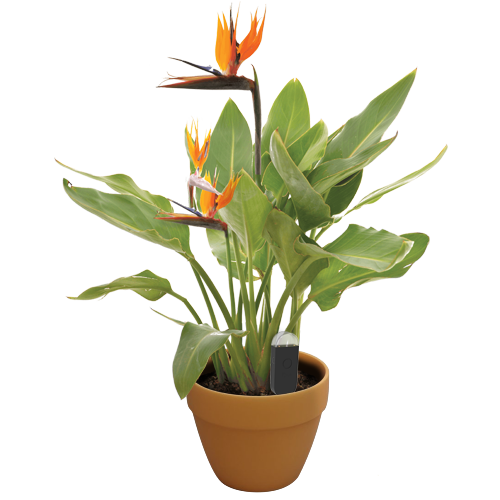
Monitor de planta
SE QUEDA EN TU PLANTA
Mide con precisión las métricas principales de su planta (humedad del suelo, luz, temperatura y humedad), así como métricas compuestas como el déficit de presión de vapor (VPD) y los grados día de crecimiento (GDD).
Compra ahora