Genista cinerea
TAXONOMÍA
FamiliaFabaceae
GéneroGenista
Zona8
APRENDE MÁS
Plants of the World OnlineACERCA DE
Genista cinerea, commonly known as the Grey Broom, is a shrub native to the Mediterranean region. It belongs to the Fabaceae family and is known for its bright yellow flowers and grey-green foliage. This plant thrives in subtropical climates and typically undergoes a dormancy period during the cooler months.
TAMBIÉN CONOCIDO COMO
Cytisus Cinereus
Genistella Verticillata
Greenweed
Spartium Aragonense
Spartium Cinereum
Genista cinerea subsp. cinerea
Genista cinerea subsp. rosmarinetorum
Genista cinerea subsp. speciosa
Genista ephedrifolia
Genista scoparia
Telinaria cinerea
DESCRIPCIÓN GENERAL
VPDCalcular
AguaSeco
SueloFranco
LuzBrillo directo (6 Horas)
Temperatura20° C
Humedad50
Inactividad3 Meses
pH6,5
Presión1013
DETALLES
Instrucciones de cuidado
Genista cinerea requires bright, direct sunlight for optimal growth. It prefers moderate temperatures and can tolerate dry conditions. Ensure the plant is watered sparingly, allowing the soil to dry out almost completely between waterings. Maintain moderate humidity levels.Suelo
This plant prefers well-draining loamy soil. It can tolerate poor soil conditions but thrives best in moderately nutrient-rich soil. Ensure the soil has good drainage to prevent waterlogging.Fertilizante
Use a balanced fertilizer with a nutrient composition of 5-10-10. Fertilize the plant during the growing season, typically in spring and summer, to promote healthy growth and flowering.Trasplante
Repot Genista cinerea every 2-3 years or when it outgrows its current container. Choose a slightly larger pot with good drainage. Repotting is best done in early spring before the growing season begins.Propagación
Propagate Genista cinerea through semi-hardwood cuttings taken in late summer. Ensure the cuttings have at least a few nodes and plant them in a well-draining soil mix. Keep the soil moist until roots develop.Poda
Prune the plant after flowering to maintain its shape and encourage new growth. Remove any dead or damaged branches and trim back overgrown areas to promote a bushier appearance.Toxicidad
Genista cinerea is not known to be toxic to pets or humans. However, it is always advisable to keep plants out of reach of pets and children to prevent any accidental ingestion.REVOLUCIONE EL CUIDADO DE SUS PLANTAS
Haga Que Cada Planta Sea Inteligente
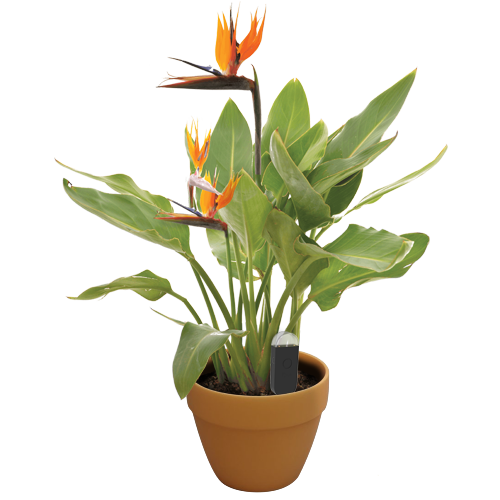
Monitor de planta
SE QUEDA EN TU PLANTA
Mide con precisión las métricas principales de su planta (humedad del suelo, luz, temperatura y humedad), así como métricas compuestas como el déficit de presión de vapor (VPD) y los grados día de crecimiento (GDD).
Compra ahora