Gypsophila elegans
TAXONOMÍA
FamiliaCaryophyllaceae
GéneroGypsophila
Zona3
APRENDE MÁS
Plants of the World OnlineACERCA DE
Gypsophila elegans, commonly known as Baby's Breath, is an annual plant in the Caryophyllaceae family. It is native to Eastern Europe and Asia and is well-known for its delicate, airy clusters of tiny white or pink flowers. This plant is often used in floral arrangements and bouquets. It thrives in temperate climates and completes its life cycle within one growing season.
TAMBIÉN CONOCIDO COMO
Annual Baby's-Breath
Baby's Breath
Brouillard
Gypsophile Lgant
Gypsophile Lgante
Showy Baby's-Breath
Gypsophila ceballosi
Gypsophila elegans var. elegans
Gypsophila elegans var. latipetala
Gypsophila producta
DESCRIPCIÓN GENERAL
DETALLES
Instrucciones de cuidado
Gypsophila elegans prefers full sun and should be planted in a location that receives bright, direct light for most of the day. It thrives in moderate temperatures and does not require high humidity. Water the plant when the soil is almost completely dry, but avoid overwatering. This plant is relatively easy to care for and is suitable for outdoor gardens.Suelo
Gypsophila elegans prefers well-draining loamy soil with a slightly acidic to neutral pH. Ensure the soil has good drainage to prevent waterlogging, which can lead to root rot. A sandy or loamy soil mix is ideal for this plant.Fertilizante
Fertilize Gypsophila elegans with a balanced fertilizer, such as 5-10-10, once during the growing season. Avoid over-fertilizing, as this can lead to excessive foliage growth at the expense of flowers.Trasplante
As an annual plant, Gypsophila elegans does not require repotting. It completes its life cycle within one growing season and should be replanted from seeds each year.Propagación
Gypsophila elegans is best propagated by seeds. Sow the seeds directly in the garden after the last frost, or start them indoors a few weeks before the last frost date. Thin the seedlings to allow adequate space for growth.Poda
Pruning is not necessary for Gypsophila elegans. However, deadheading spent flowers can encourage additional blooming and keep the plant looking tidy.Toxicidad
Gypsophila elegans is not toxic to pets or humans. It is safe to grow in gardens where children and pets may be present.Adicional
Gypsophila elegans is a popular choice for adding a delicate, airy texture to garden borders and floral arrangements. It attracts pollinators such as bees and butterflies, making it a beneficial addition to any garden.REVOLUCIONE EL CUIDADO DE SUS PLANTAS
Haga Que Cada Planta Sea Inteligente
Monitor de planta
SE QUEDA EN TU PLANTA
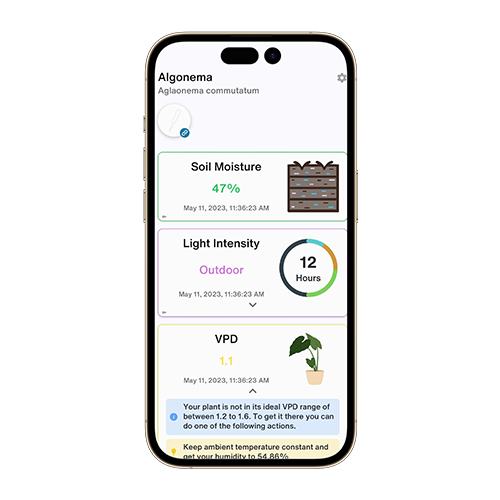
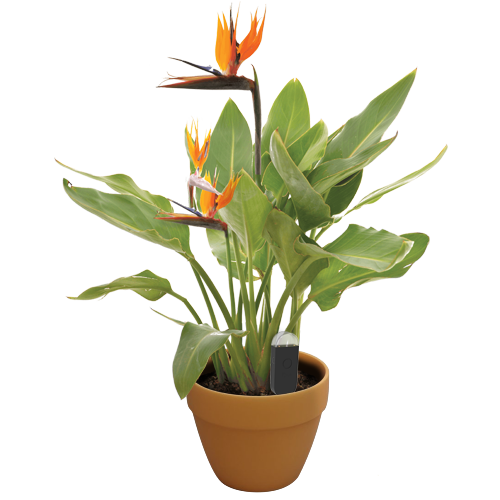
Mide con precisión las métricas principales de su planta (humedad del suelo, luz, temperatura y humedad), así como métricas compuestas como el déficit de presión de vapor (VPD) y los grados día de crecimiento (GDD).
Compra ahora