Rhododendron periclymenoides
TAXONOMÍA
FamiliaEricaceae
GéneroRhododendron
Zona5
APRENDE MÁS
Plants of the World OnlineACERCA DE
Rhododendron periclymenoides, commonly known as the Pinxterbloom Azalea, is a deciduous shrub native to the eastern United States. It belongs to the Ericaceae family and the Rhododendron genus. This plant thrives in temperate climates and is known for its beautiful pink to white flowers that bloom in spring. It typically grows in woodland areas and along stream banks.
TAMBIÉN CONOCIDO COMO
Pinxterbloom azalea
DESCRIPCIÓN GENERAL
VPDCalcular
AguaHúmedo
SueloFranco
LuzBrillante indirecto (6 Horas)
Temperatura18° C
Humedad60
Inactividad3 Meses
pH5,5
Presión1013
DETALLES
Instrucciones de cuidado
Rhododendron periclymenoides requires indirect bright light and moderate temperatures. It prefers evenly moist soil and high humidity. Regular watering is essential, especially during dry periods. Ensure the plant is protected from harsh, direct sunlight to prevent leaf burn.Suelo
This plant prefers well-draining, loamy soil that is rich in organic matter. The soil should be kept evenly moist but not waterlogged. A slightly acidic pH is ideal for optimal growth.Fertilizante
Use a balanced fertilizer with a nutrient composition of 10-10-10. Fertilize in early spring and again in late summer to support healthy growth and flowering.Trasplante
Repotting is generally not required for outdoor plants. However, if grown in containers, repot every 2-3 years to refresh the soil and provide more space for root growth. Repot in early spring before new growth begins.Propagación
Rhododendron periclymenoides can be propagated through softwood cuttings taken in late spring or early summer. Ensure the cuttings have at least one node and use rooting hormone to encourage root development. Plant the cuttings in a well-draining soil mix and keep them in a humid environment until roots establish.Poda
Pruning is necessary to maintain the shape and health of the plant. Prune immediately after flowering to remove spent blooms and any dead or diseased branches. Light pruning can also help improve air circulation within the plant.Toxicidad
Rhododendron periclymenoides is toxic to pets and humans if ingested. All parts of the plant contain grayanotoxins, which can cause symptoms such as vomiting, drooling, and lethargy in pets, and nausea, vomiting, and abdominal pain in humans.Adicional
Mulching around the base of the plant can help retain soil moisture and regulate temperature. Avoid planting Rhododendron periclymenoides in areas with poor air circulation to prevent fungal diseases.REVOLUCIONE EL CUIDADO DE SUS PLANTAS
Haga Que Cada Planta Sea Inteligente
Monitor de planta
SE QUEDA EN TU PLANTA
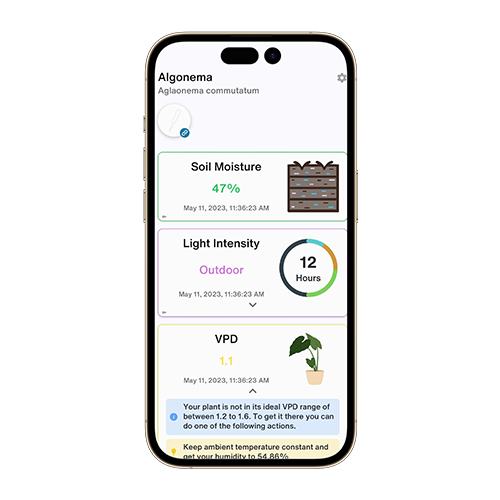
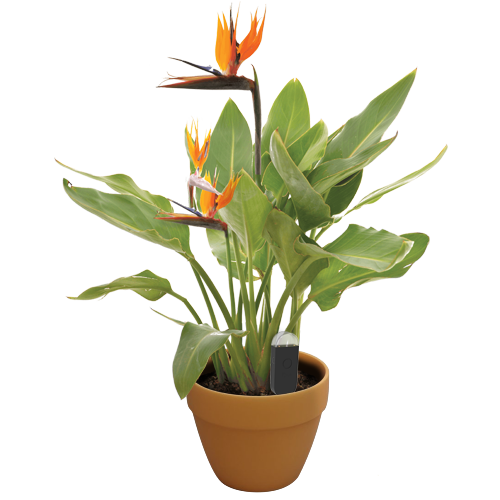
Mide con precisión las métricas principales de su planta (humedad del suelo, luz, temperatura y humedad), así como métricas compuestas como el déficit de presión de vapor (VPD) y los grados día de crecimiento (GDD).
Compra ahora