Chaenorhinum minus
TAXONOMIE
FamillePlantaginaceae
GenreChaenorhinum
Zone6
APPRENDRE ENCORE PLUS
Plants of the World OnlineÀ PROPOS
Chaenorhinum minus, commonly known as Small Toadflax, is an annual plant in the family Plantaginaceae. It is native to Europe and prefers temperate climates. The plant is known for its small, delicate flowers and is often found in disturbed soils such as roadsides and fields.
AUSSI CONNU SOUS LE NOM
Antirrhinum Minor
Dwarf Snapdragon
Linaria Minor
Linaria Praetermissa
Linaria Viscida
Microrrhinum Praetermissum
Antirrhinum minus
Chaenorhinum minus f. australior
Chaenorhinum minus f. brevipedunculatum
Chaenorhinum praetermissum
Chaenorhinum viscidum
Chaenorhinum viscidum f. australior
Microrrhinum minus
APERÇU
VPDCalculer
EauSec
SolLimoneux
LumièreLumière directe (6 Heures)
Température20° C
Humidité50
pH6,5
Pression1 013
DÉTAILS
Instructions d'entretien
Chaenorhinum minus is relatively easy to care for. It prefers bright, direct sunlight and moderate temperatures. The plant does well in environments with average humidity and should be watered when the soil is almost completely dry.Sol
This plant prefers well-draining loamy soil. It can tolerate poor soil conditions but thrives best in moderately nutrient-rich soil. Ensure the soil dries out almost completely between waterings to prevent root rot.Engrais
A balanced fertilizer with a nutrient composition of 5-10-10 can be applied during the growing season. Fertilize sparingly, as the plant does not require heavy feeding.Rempotage
As an annual plant, Chaenorhinum minus does not typically require repotting. However, if grown in containers, it can be repotted at the beginning of the growing season to refresh the soil.Propagation
Propagation is usually done by seeds. Sow the seeds in early spring in well-draining soil. Keep the soil lightly moist until germination occurs.Taille
Pruning is not generally required for this plant. However, you can remove spent flowers to encourage more blooms and maintain a tidy appearance.Toxicité
Chaenorhinum minus is not known to be toxic to pets or humans. It is generally considered safe to grow in gardens and around homes.RÉVOLUTIONNEZ LE SOIN DE VOS PLANTES
Rendre Chaque Plante Intelligente
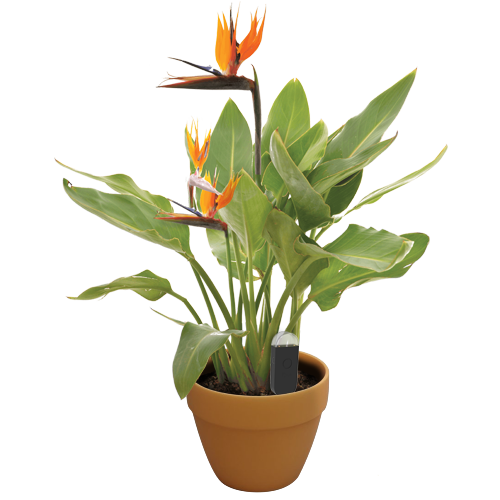
Moniteur d'usine
RESTE DANS VOTRE USINE
Mesure avec précision les paramètres de base de votre plante – humidité du sol, lumière, température et humidité – ainsi que des paramètres composés tels que le déficit de pression de vapeur (VPD) et les degrés-jours de croissance (GDD).
Achetez maintenant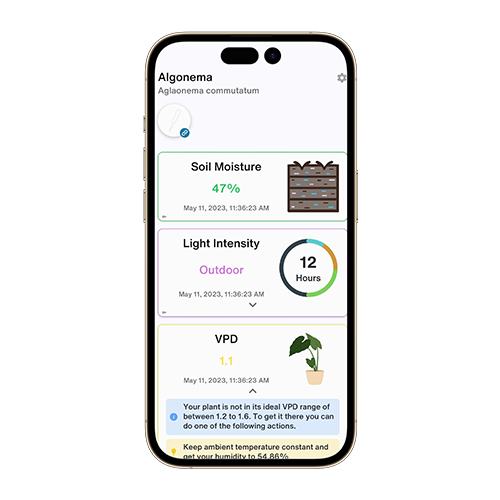
Application mobile
TÉLÉCHARGEZ SUR VOTRE APPAREIL
Évalue les données de vos plantes, la météo actuelle, la saisonnalité et plus encore pour vous informer avec précision des besoins de vos plantes. L'application est également dotée de nombreuses fonctionnalités supplémentaires pour garantir l'épanouissement de vos plantes.