Eucommia ulmoides
分類
家族Eucommiaceae
属Eucommia
ゾーン5
もっと詳しく知る
Plants of the World Onlineについて
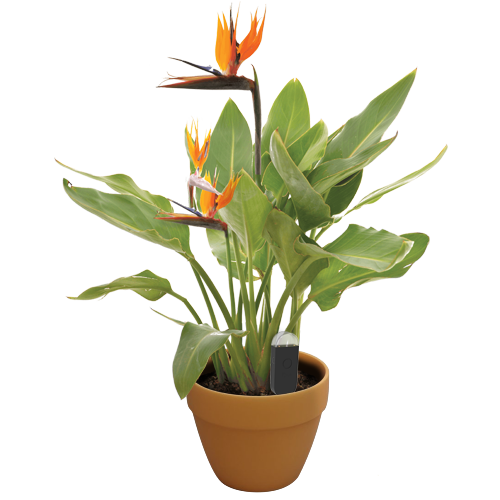
Eucommia ulmoides, commonly known as the Hardy Rubber Tree, is a deciduous tree native to China. It is the sole species in the family Eucommiaceae and is known for its ability to produce latex. The tree can grow up to 15 meters tall and is valued for its medicinal properties. It prefers temperate climates and has a dormancy period during the winter months.
としても知られている
Hardy Rubber Tree
概要
詳細
お手入れ方法
The Hardy Rubber Tree requires bright, direct sunlight for optimal growth. It thrives in moderate temperatures and prefers a humid environment. Regular watering is necessary, but the soil should be allowed to dry out partially between waterings. Pruning is recommended to maintain its shape and health.土壌
Eucommia ulmoides prefers well-draining loamy soil with a slightly acidic to neutral pH. The soil should be kept moderately moist but not waterlogged. Good drainage is essential to prevent root rot.肥料
A balanced fertilizer with an N-P-K ratio of 10-10-10 is suitable for Eucommia ulmoides. Fertilize the tree during the growing season, typically in spring and summer, to promote healthy growth.植え替え
Repotting is necessary for young trees every 2-3 years to provide adequate space for root growth. Choose a larger pot with good drainage and fresh loamy soil. Repot during the dormant season to minimize stress on the plant.伝搬
Eucommia ulmoides can be propagated through seeds or cuttings. Seeds should be sown in a well-draining soil mix and kept moist. Cuttings can be taken in late spring or early summer and rooted in a humid environment.剪定
Pruning is essential to maintain the shape and health of the Hardy Rubber Tree. Prune during the dormant season to remove dead or diseased branches and to shape the tree. Regular pruning encourages new growth and improves air circulation.毒性
Eucommia ulmoides is not known to be toxic to pets or humans. However, as with any plant, it is advisable to keep it out of reach of pets and children to prevent accidental ingestion.追加
The Hardy Rubber Tree is valued for its medicinal properties, particularly in traditional Chinese medicine. The bark is used to treat various ailments, including hypertension and arthritis. The tree is also known for its ability to produce latex, which can be used as a natural rubber substitute.植物の手入れに革命を起こす
すべてのプラントをスマートに