Artemisia campestris
TAXONOMIE
FamilieAsteraceae
GeslachtArtemisia
Zone3
KOM MEER TE WETEN
Plants of the World OnlineOVER
Artemisia campestris, commonly known as field wormwood or field sagewort, is a perennial herb in the Asteraceae family. It is native to North America and Eurasia, typically found in dry, sandy soils and open areas. The plant has a woody base and produces aromatic, finely divided leaves. It undergoes a dormancy period during the winter months.
OOK GEKEND ALS
Field Mugwort
Artemisia campestris f. campestris
Artemisia campestris subsp. canescens
Artemisia campestris subsp. typica
Artemisia campestris var. campestris
Artemisia campestris var. clausonis
Artemisia campestris var. odoratissima
Artemisia campestris var. sosnovskyi
Oligosporus campestris subsp. campestris
Oligosporus campestris subsp. caudatus
OVERZICHT
VPDBerekenen
WaterDroog
BodemZandig
LichtDirect helder (6 Uur)
Temperatuur20° C
Vochtigheid40
Kiemrust3 Maanden
pH6,5
Druk1.013
DETAILS
Onderhoudsinstructies
Artemisia campestris thrives in bright, direct sunlight and prefers moderate temperatures. It is drought-tolerant and does not require frequent watering. The plant can handle low humidity levels and is well-suited for outdoor growth in well-drained soil.Bodem
This plant prefers sandy soil with excellent drainage. It can tolerate nutrient-poor conditions and does not require rich soil. Ensure the soil dries out almost completely between waterings to prevent root rot.Kunstmest
Artemisia campestris does not typically require fertilization. If desired, a light application of a balanced fertilizer can be used sparingly during the growing season.Verpotten
Repotting is generally not necessary for Artemisia campestris, as it is well-suited to its native soil conditions. If repotting is needed, do so in the early spring before new growth begins, using a sandy, well-draining soil mix.Voortplanting
Propagation can be done through seeds or cuttings. Seeds should be sown in the spring, while cuttings can be taken in late spring or early summer. Ensure cuttings are taken from healthy, non-flowering stems and planted in sandy soil.Snoeien
Pruning is beneficial for maintaining the shape and health of Artemisia campestris. Prune in early spring to remove dead or damaged stems and to encourage new growth. Regular pruning can also help prevent the plant from becoming too woody.Toxiciteit
Artemisia campestris is not known to be toxic to pets or humans. However, as with all plants, it is best to prevent ingestion by pets and children.Aanvullend
Artemisia campestris is known for its aromatic foliage, which can be used in dried flower arrangements or as a natural insect repellent. The plant is also deer-resistant, making it a good choice for gardens in areas with high deer populations.BRENG EEN REVOLUTIE TEWEEG IN UW PLANTENVERZORGING
Maak Elke Plant Slim
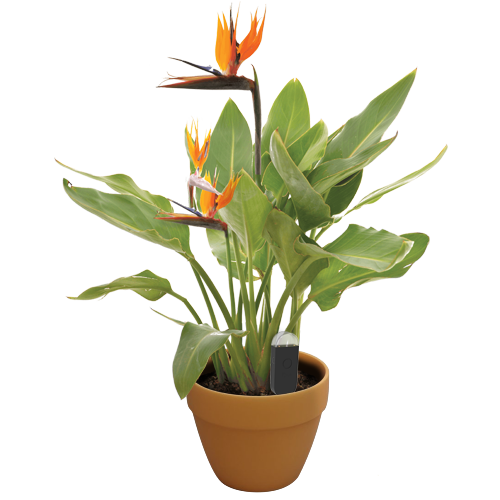
Installatiemonitor
BLIJFT IN UW PLANT
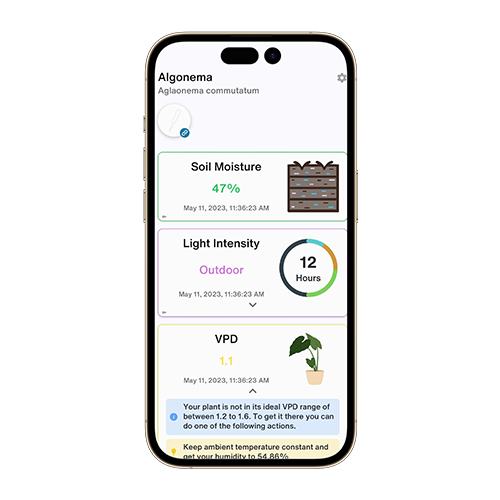
Meet nauwkeurig de kerngegevens van uw plant – bodemvocht, licht, temperatuur en vochtigheid – evenals samengestelde gegevens zoals Dampdruktekort (VPD) en Groeigraaddagen (GDD).
Winkel nu