Deparia petersenii
TAXONOMIE
FamilieAthyriaceae
GeslachtDeparia
Zone10
KOM MEER TE WETEN
Plants of the World OnlineOVER
Deparia petersenii, commonly known as Japanese lady fern, is a perennial fern native to wet tropical climates. It belongs to the family Athyriaceae and the genus Deparia. This fern is often found in moist, shaded areas and can also grow as a lithophyte on rocks. It is known for its delicate, lacy fronds and is a popular choice for shaded gardens and indoor plant collections.
OOK GEKEND ALS
Asplenium Lasiopteris
Asplenium Toppingianum
Athyrium Acrotis
Athyrium Copelandii
Athyrium Toppingianum
Dryopteris Oshimensis
Petersen's Swordfern
Allantodia deflexa
Aspidium oshimense
Asplenium deflexum
Asplenium petersenii
Athyriopsis attenuata
Athyriopsis japonica var. oshimense
Athyriopsis lasiopteris
Athyriopsis petersenii
Athyriopsis petersenii var. coreana
Athyrium oshimense
Deparia lasiopteris
Deparia petersenii f. itoana
Deparia petersenii subsp. deflexa
Deparia petersenii subsp. petersenii
Deparia petersenii var. petersenii
Diplazium acrotis
Diplazium allorgei
Diplazium decussatum
Diplazium fimbriichlamys
Diplazium grammitoides f. yakusimense
Diplazium intercalatum
Diplazium lasiopteris
Diplazium ×magofukui
Diplazium oshimense
Diplazium petersenii
Lunathyrium fimbriichlamys
Lunathyrium lasiopteris
Lunathyrium petersenii
Lunathyrium petersenii var. itoanum
OVERZICHT
VPDBerekenen
WaterErg nat
BodemLeemachtig
LichtIndirect helder (6 Uur)
Temperatuur22° C
Vochtigheid80
pH5,5
Druk1.013
DETAILS
Onderhoudsinstructies
Deparia petersenii thrives in environments with bright, indirect light and high humidity. It prefers moderate temperatures and should be kept away from direct sunlight to prevent leaf burn. Regular watering is essential to keep the soil consistently moist, but avoid waterlogging. This fern can be grown both indoors and outdoors, provided the conditions are suitable.Bodem
This fern prefers loamy soil that retains moisture well but also has good drainage. A mix of peat, perlite, and organic matter can provide the ideal growing medium. Ensure the soil remains consistently moist but not waterlogged to support healthy growth.Kunstmest
Deparia petersenii benefits from regular feeding with a balanced fertilizer, such as a 10-10-10 N-P-K formula. Fertilize every 4-6 weeks during the growing season to support lush, healthy fronds. Reduce feeding during the dormant period, if applicable.Verpotten
Repot Deparia petersenii every 1-2 years or when it outgrows its current container. Choose a pot that is slightly larger than the current one and refresh the soil mix. Gently remove the plant from its old pot, shake off excess soil, and place it in the new container with fresh soil.Voortplanting
This fern can be propagated through division. The best time to propagate is during the growing season. Carefully divide the root ball into smaller sections, ensuring each section has healthy roots and fronds. Plant the divisions in separate pots with fresh soil and keep them in a humid environment until established.Snoeien
Pruning is generally not required for Deparia petersenii. However, you can remove any dead or damaged fronds to maintain the plant's appearance and health. Use clean, sharp scissors or pruning shears to make clean cuts.Toxiciteit
Deparia petersenii is not known to be toxic to pets or humans. It is a safe choice for households with children and animals. However, it is always a good practice to prevent pets from chewing on any houseplants.BRENG EEN REVOLUTIE TEWEEG IN UW PLANTENVERZORGING
Maak Elke Plant Slim
Installatiemonitor
BLIJFT IN UW PLANT
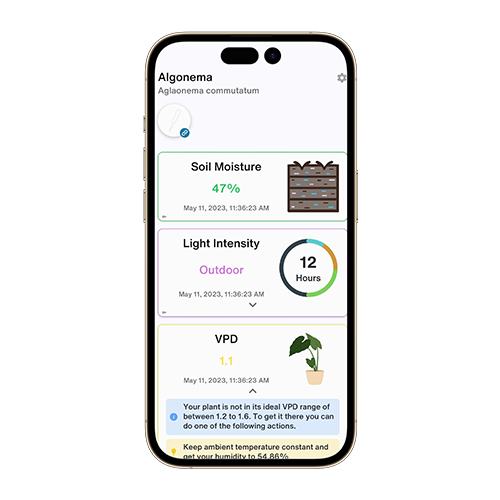
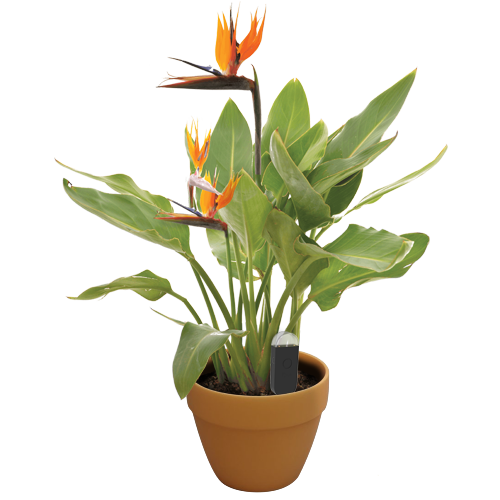
Meet nauwkeurig de kerngegevens van uw plant – bodemvocht, licht, temperatuur en vochtigheid – evenals samengestelde gegevens zoals Dampdruktekort (VPD) en Groeigraaddagen (GDD).
Winkel nu