Castilleja coccinea
TAXONOMY
FamilyOrobanchaceae
GenusCastilleja
Zone4
LEARN MORE
Plants of the World OnlineABOUT
Castilleja coccinea, commonly known as the Scarlet Indian Paintbrush, is a striking wildflower native to North America. It is part of the Orobanchaceae family and can be found in meadows, prairies, and open woods. This plant is known for its vibrant red to orange bracts that resemble a paintbrush dipped in bright colors. It is an annual or biennial plant that thrives in temperate climates and often requires a dormancy period during the colder months.
ALSO KNOWN AS
Scarlet Indian Paintbrush
OVERVIEW
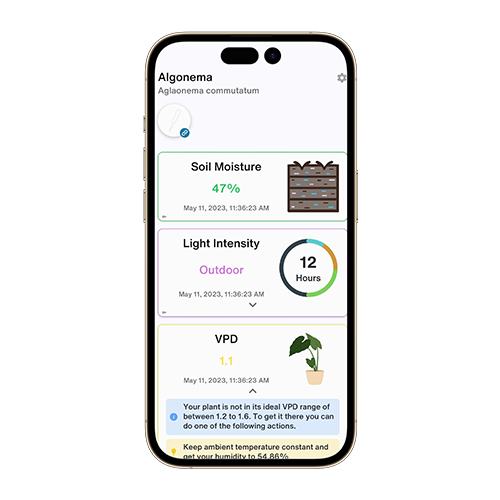
VPDCalculate
WaterMoist
SoilLoamy
LightDirect Bright (6 Hours)
Temperature20° C
Humidity50%
Dormancy3 Months
pH6.5
Pressure1,013 mbar
DETAILS
Care Instructions
To care for Castilleja coccinea, provide it with bright, direct sunlight for several hours a day. It prefers moderate temperatures and average humidity levels. Water the plant when the soil partially dries out, ensuring it does not become waterlogged. This plant is best suited for outdoor growth in temperate climates.Soil
Castilleja coccinea prefers well-draining loam soil with moderate nutrient levels. Ensure the soil is not too compact and has good drainage to prevent root rot. A slightly acidic to neutral pH is ideal for this plant.Fertilizer
This plant does not have high fertilizer requirements. If needed, a light application of a balanced fertilizer can be used during the growing season to support its growth.Repotting
Repotting is generally not necessary for Castilleja coccinea as it is an annual or biennial plant. However, if growing in containers, ensure the pot has good drainage and fresh soil is provided each growing season.Propagation
Propagation of Castilleja coccinea is typically done through seeds. Sow the seeds in early spring in a well-draining soil mix. Ensure they receive adequate light and moisture for germination.Pruning
Pruning is not required for Castilleja coccinea. However, removing spent flowers can help maintain the plant's appearance and encourage more blooms.Toxicity
Castilleja coccinea is not known to be toxic to pets or humans. However, as with all plants, it is best to prevent ingestion by pets and children.Additional
Castilleja coccinea is a hemiparasitic plant, meaning it partially relies on the roots of nearby plants for nutrients. Planting it near compatible host plants can enhance its growth and vibrancy.REVOLUTIONIZE YOUR PLANT CARE
Make Every Plant Smart
Plant Monitor
STAYS IN YOUR PLANT
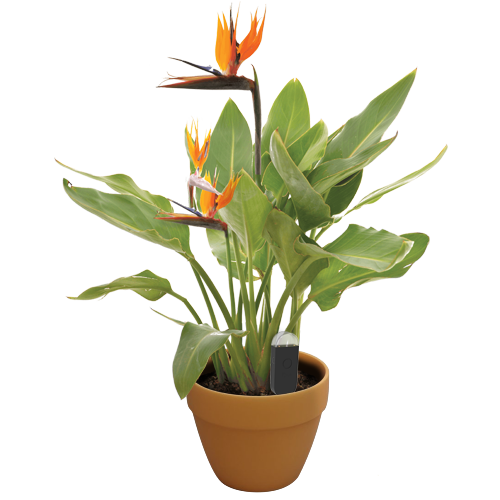
Accurately measures the core metrics of your plant – soil moisture, light, temperature and humidity - as well as compound metrics such as Vapor Pressure Deficit (VPD) and Growing Degree Days (GDD).
Shop Now