Crataegus marshallii
TAXONOMY
FamilyRosaceae
GenusCrataegus
Zone5
LEARN MORE
Plants of the World OnlineABOUT
Crataegus marshallii, commonly known as parsley hawthorn, is a small tree native to the southeastern United States. It belongs to the Rosaceae family and the Crataegus genus. This tree is known for its finely divided, parsley-like leaves and clusters of white flowers that bloom in spring. It produces small red fruits that are attractive to wildlife. The tree prefers temperate climates and goes through a dormancy period during the winter months.
ALSO KNOWN AS
Parsley-Leaved Hawthorn
Crataegus apiifolia
Crataegus apiifolia var. minor
Crataegus oxyacantha
Crataegus oxyacantha var. apiifolia
Mespilus apiifolia
Mespilus monogyna var. apiifolia
Mespilus oxyacantha var. americana
OVERVIEW
VPDCalculate
WaterMoist
SoilLoamy
LightDirect Bright (6 Hours)
Temperature20° C
Humidity50%
Dormancy3 Months
pH6.5
Pressure1,013 mbar
DETAILS
Care Instructions
To care for Crataegus marshallii, provide it with bright, direct sunlight for several hours a day. It thrives in moderate temperatures and average humidity levels. Water the tree when the soil partially dries out, ensuring it does not remain waterlogged. Regular pruning is necessary to maintain its shape and health.Soil
Crataegus marshallii prefers well-draining loamy soil. The soil should be kept moderately moist but not waterlogged. It can tolerate a range of soil pH levels but thrives best in slightly acidic to neutral soil.Fertilizer
Fertilize the tree with a balanced 10-10-10 fertilizer in early spring before new growth begins. Apply the fertilizer according to the package instructions, and avoid over-fertilizing, as this can harm the tree.Repotting
Repotting is generally not necessary for Crataegus marshallii as it is typically grown outdoors. However, if grown in a container, repot the tree every 2-3 years to refresh the soil and provide more space for root growth.Propagation
Crataegus marshallii can be propagated through seeds or cuttings. Seeds should be collected in the fall and stratified before planting. Cuttings can be taken in late spring or early summer and rooted in a well-draining soil mix.Pruning
Prune Crataegus marshallii in late winter or early spring before new growth begins. Remove any dead, diseased, or crossing branches to maintain the tree's shape and health. Regular pruning helps improve air circulation and light penetration.Toxicity
Crataegus marshallii is not known to be toxic to pets or humans. However, as with any plant, it is best to prevent pets and children from ingesting any part of the tree.Additional
Crataegus marshallii is valued for its ornamental appeal and its ability to attract wildlife, including birds and pollinators. It can be used as a specimen tree or in naturalized areas. Regular monitoring for pests and diseases is recommended to ensure the tree remains healthy.REVOLUTIONIZE YOUR PLANT CARE
Make Every Plant Smart
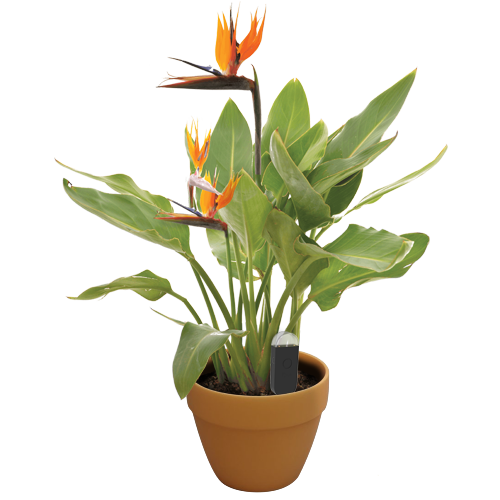
Plant Monitor
STAYS IN YOUR PLANT
Accurately measures the core metrics of your plant – soil moisture, light, temperature and humidity - as well as compound metrics such as Vapor Pressure Deficit (VPD) and Growing Degree Days (GDD).
Shop Now