Cyperus strigosus
TAXONOMY
FamilyCyperaceae
GenusCyperus
Zone5
LEARN MORE
Plants of the World OnlineABOUT
Cyperus strigosus, commonly known as False Nutsedge or Straw-colored Flatsedge, is a perennial plant native to North America. It thrives in wetland areas and is often found in marshes, ditches, and along stream banks. The plant has a rhizomatous growth habit, allowing it to spread effectively in suitable environments. It prefers temperate climates and can tolerate a range of soil types, provided they are consistently moist.
ALSO KNOWN AS
Hairy Flat Sedge
Cyperus distans
Cyperus enslenii
Cyperus hansenii
Cyperus michauxianus var. elongatus
Cyperus naguensis
Cyperus praelongatus
Cyperus stenolepis
Cyperus strigosus f. capitatus
Cyperus strigosus f. praelongatus
Cyperus strigosus var. capitatus
Cyperus strigosus var. compositus
Cyperus strigosus var. elongatus
Cyperus strigosus var. hansenii
Cyperus strigosus var. naguensis
Cyperus strigosus var. pygmaeus
Cyperus strigosus var. robustior
Cyperus strigosus var. stenolepis
Cyperus strigosus var. strigosus
Mariscus praelongatus
Mariscus stenolepis
Mariscus strigosus
OVERVIEW
VPDCalculate
WaterVery Wet
SoilLoamy
LightDirect Bright (6 Hours)
Temperature20° C
Humidity70%
Dormancy3 Months
pH6.5
Pressure1,013 mbar
DETAILS
Care Instructions
Cyperus strigosus requires bright, direct sunlight for optimal growth. It thrives in moderate temperatures and high humidity. The plant should be kept in consistently wet soil, as it naturally grows in wetland areas. Regular watering is essential to maintain the soil moisture levels. Pruning may be necessary to manage its growth and spread.Soil
Cyperus strigosus prefers loamy soil that is consistently wet or waterlogged. Good drainage is essential to prevent water stagnation, which can lead to root rot. The soil should be rich in nutrients to support the plant's vigorous growth.Fertilizer
A balanced fertilizer with an N-P-K ratio of 10-10-10 can be applied during the growing season to support healthy growth. Fertilize the plant every 4-6 weeks, ensuring that the soil remains nutrient-rich.Repotting
Repotting Cyperus strigosus is necessary when the plant outgrows its container or if the soil becomes depleted. The best time to repot is during the early spring. Carefully remove the plant from its current container, gently shake off excess soil, and place it in a larger pot with fresh, nutrient-rich soil.Propagation
Cyperus strigosus can be propagated through division of its rhizomes. The best time to propagate is during the spring or early summer. Carefully dig up the plant, separate the rhizomes, and replant them in suitable soil. Ensure that each division has a healthy root system and some foliage.Pruning
Pruning is necessary to manage the growth and spread of Cyperus strigosus. Trim back any dead or damaged foliage and remove any flower stalks to encourage new growth. Pruning can be done throughout the growing season as needed.Toxicity
Cyperus strigosus is not known to be toxic to pets or humans. However, it is always advisable to prevent pets and children from ingesting any plant material.Additional
Cyperus strigosus can be an excellent addition to water gardens or wetland restoration projects due to its preference for consistently moist environments. It can also help in controlling soil erosion along stream banks and other wetland areas.REVOLUTIONIZE YOUR PLANT CARE
Make Every Plant Smart
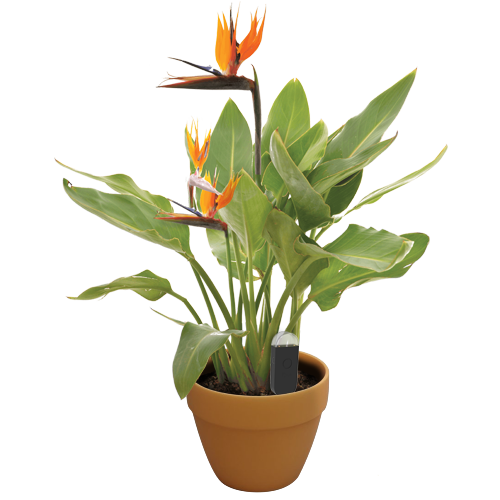
Plant Monitor
STAYS IN YOUR PLANT
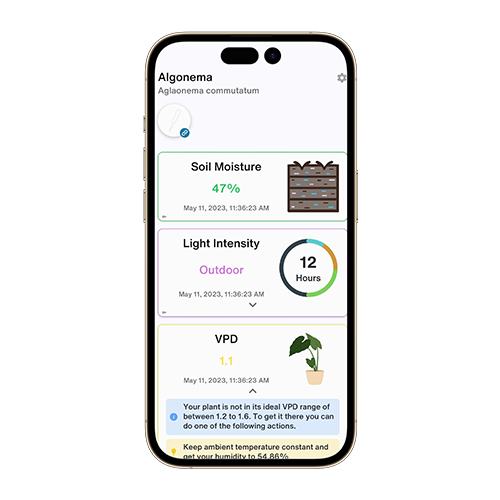
Accurately measures the core metrics of your plant – soil moisture, light, temperature and humidity - as well as compound metrics such as Vapor Pressure Deficit (VPD) and Growing Degree Days (GDD).
Shop Now