Erigeron pulchellus
TAXONOMY
FamilyAsteraceae
GenusErigeron
Zone4
LEARN MORE
Plants of the World OnlineABOUT
Erigeron pulchellus, commonly known as Robin's Plantain, is a perennial herb in the Asteraceae family. It is native to North America and typically found in open woods, meadows, and along roadsides. The plant produces daisy-like flowers with white to pinkish rays and a yellow center. It undergoes a dormancy period during the winter months.
ALSO KNOWN AS
Fragmosa Alpina
Robin's Plantain
Erigeron acris
Erigeron bellidifolius
Erigeron bellidifolius var. bellidifolius
Erigeron glabratus
Erigeron intermedius
Erigeron pulchellus f. pulchellus
Erigeron pulchellus var. pulchellus
Erigeron serpentarius
Erigeron uniflorus
OVERVIEW
VPDCalculate
WaterMoist
SoilLoamy
LightIndirect Bright (6 Hours)
Temperature20° C
Humidity50%
Dormancy3 Months
pH6.5
Pressure1,013 mbar
DETAILS
Care Instructions
Robin's Plantain prefers moderate temperatures and indirect bright light. It thrives in environments with moderate humidity and should be watered when the soil partially dries out. Regular pruning helps maintain its shape and encourages new growth.Soil
This plant prefers well-draining loamy soil with a slightly acidic to neutral pH. Ensure the soil is not waterlogged to prevent root rot. A mix of garden soil with compost can provide the necessary nutrients.Fertilizer
Use a balanced fertilizer with an N-P-K ratio of 10-10-10 during the growing season. Fertilize every 4-6 weeks to support healthy growth.Repotting
Repot Robin's Plantain every 2-3 years or when it outgrows its container. Choose a pot slightly larger than the current one and ensure it has good drainage. Gently loosen the roots before placing the plant in the new pot.Propagation
Propagate by division in early spring or late fall. Carefully separate the plant into smaller sections, ensuring each has roots attached. Replant the divisions in suitable soil and water thoroughly.Pruning
Prune after the flowering period to remove spent blooms and encourage new growth. Trim back any leggy or damaged stems to maintain a compact shape.Toxicity
Erigeron pulchellus is not toxic to pets or humans. It is safe to grow in gardens where children and animals are present.REVOLUTIONIZE YOUR PLANT CARE
Make Every Plant Smart
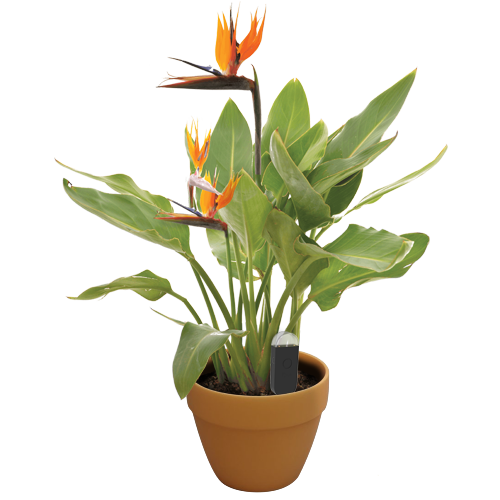
Plant Monitor
STAYS IN YOUR PLANT
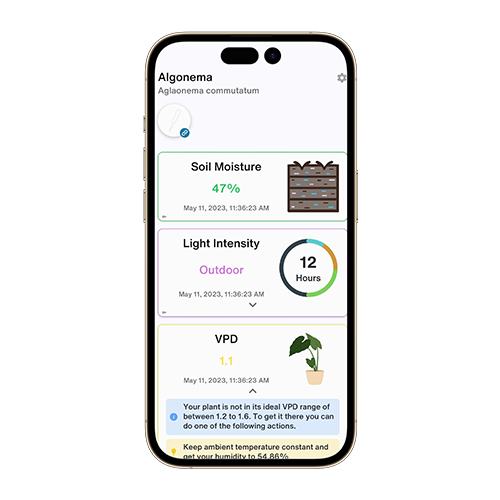
Accurately measures the core metrics of your plant – soil moisture, light, temperature and humidity - as well as compound metrics such as Vapor Pressure Deficit (VPD) and Growing Degree Days (GDD).
Shop Now