Lythrum alatum
TAXONOMY
FamilyLythraceae
GenusLythrum
Zone4
LEARN MORE
Plants of the World OnlineABOUT
Lythrum alatum, commonly known as winged loosestrife, is a perennial herbaceous plant native to North America. It typically grows in wet meadows, marshes, and along stream banks. The plant has a dormancy period during the winter months.
ALSO KNOWN AS
Salicaria Alata
Winged Loosestrife
Lythrum alatum var. alatum
Lythrum dacotanum
Lythrum satureifolium
Lythrum virginicum
OVERVIEW
VPDCalculate
WaterWet
SoilLoamy
LightDirect Bright (6 Hours)
Temperature20° C
Humidity60%
Dormancy3 Months
pH6.5
Pressure1,013 mbar
DETAILS
Care Instructions
Winged loosestrife thrives in bright, direct sunlight and prefers moderate temperatures. It requires a consistently moist environment and benefits from moderate humidity levels. Regular watering is essential to keep the soil evenly moist.Soil
Lythrum alatum prefers loamy soil that retains moisture well but also has good drainage. The soil should be slightly acidic to neutral in pH. Ensure the planting site does not dry out completely.Fertilizer
Use a balanced fertilizer with an N-P-K ratio of 10-10-10. Fertilize the plant during the growing season to promote healthy growth. Avoid over-fertilizing, as this can lead to excessive foliage growth at the expense of flowers.Repotting
Repotting is generally not necessary for Lythrum alatum as it is typically grown outdoors. However, if grown in containers, repot every 2-3 years to refresh the soil and provide more space for root growth.Propagation
Propagate Lythrum alatum through seeds or division. Sow seeds in the spring or divide mature plants in early spring or fall. Ensure the new divisions have adequate moisture to establish roots.Pruning
Prune the plant in late winter or early spring to remove dead or damaged stems and to encourage new growth. Regular pruning helps maintain the plant's shape and promotes more vigorous flowering.Toxicity
Lythrum alatum is not known to be toxic to pets or humans. It is generally considered safe to grow in gardens and natural areas.Additional
Winged loosestrife is a valuable plant for wetland restoration projects and can attract pollinators such as bees and butterflies. It is important to distinguish it from the invasive purple loosestrife (Lythrum salicaria), which can be detrimental to native ecosystems.REVOLUTIONIZE YOUR PLANT CARE
Make Every Plant Smart
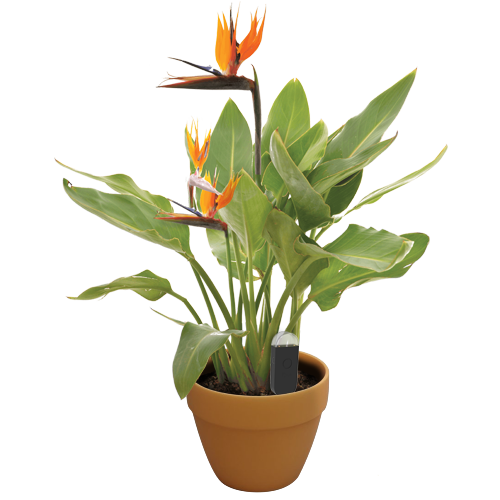
Plant Monitor
STAYS IN YOUR PLANT
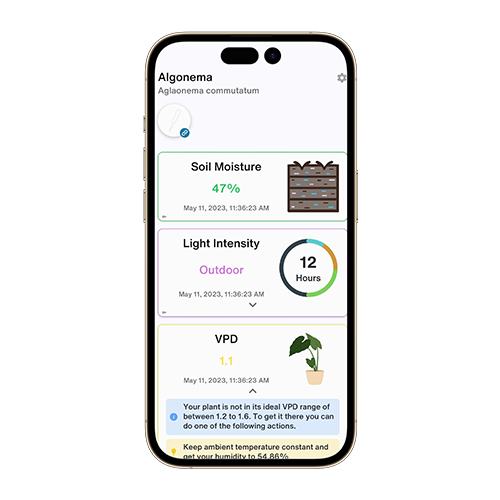
Accurately measures the core metrics of your plant – soil moisture, light, temperature and humidity - as well as compound metrics such as Vapor Pressure Deficit (VPD) and Growing Degree Days (GDD).
Shop Now