Phlox divaricata
TAXONOMY
FamilyPolemoniaceae
GenusPhlox
Zone3
LEARN MORE
Plants of the World OnlineABOUT
Phlox divaricata, commonly known as woodland phlox or wild blue phlox, is a perennial plant native to the woodlands of North America. It is known for its fragrant, star-shaped flowers that bloom in shades of blue, lavender, and white. This plant thrives in temperate climates and typically enters a dormancy period during the winter months.
ALSO KNOWN AS
Phlox canadensis
Phlox divaricata f. divaricata
Phlox divaricata var. divaricata
Woodland phlox
OVERVIEW
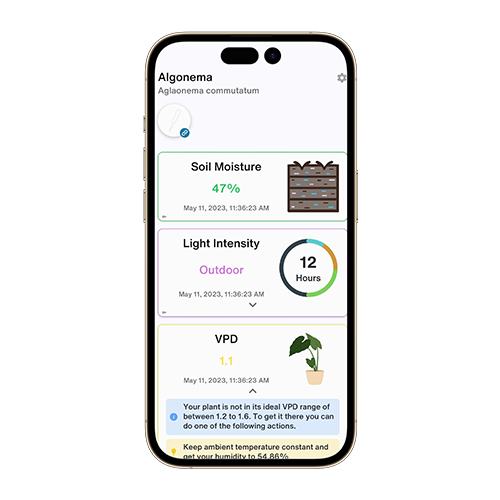
VPDCalculate
WaterWet
SoilLoamy
LightIndirect Bright (6 Hours)
Temperature20° C
Humidity60%
Dormancy3 Months
pH6.5
Pressure1,013 mbar
DETAILS
Care Instructions
Woodland phlox prefers moderate temperatures and indirect bright light. It thrives in environments with moderate humidity and should be watered regularly to keep the soil evenly moist. Avoid letting the soil dry out completely. This plant is best suited for outdoor growth in temperate climates.Soil
Phlox divaricata prefers well-draining loamy soil that retains some moisture but does not become waterlogged. A soil mix that includes organic matter will help provide the necessary nutrients and drainage. Ensure the soil pH is slightly acidic to neutral.Fertilizer
Use a balanced fertilizer with an N-P-K ratio of 10-10-10. Fertilize the plant in early spring and again in mid-summer to support healthy growth and flowering. Avoid over-fertilizing, as this can lead to excessive foliage growth at the expense of flowers.Repotting
Repotting is generally not necessary for woodland phlox, as it is typically grown outdoors. However, if grown in containers, repot every 2-3 years in early spring before new growth begins. Use fresh, well-draining soil and ensure the new pot has adequate drainage holes.Propagation
Phlox divaricata can be propagated by division or stem cuttings. The best time to propagate is in early spring or late summer. For division, carefully dig up the plant and separate the root clumps. For stem cuttings, take 4-6 inch cuttings from healthy stems and root them in a moist, well-draining medium.Pruning
Pruning is beneficial for maintaining the shape and health of the plant. Trim back spent flowers to encourage additional blooming and cut back the plant in late fall after the growing season. Remove any dead or diseased stems to promote healthy growth.Toxicity
Phlox divaricata is not known to be toxic to pets or humans. It is generally considered safe to grow in gardens where children and pets may be present.Additional
To encourage a bushier growth habit, pinch back the tips of young plants in early spring. This will promote branching and result in a fuller plant with more flowers. Additionally, mulching around the base of the plant can help retain soil moisture and suppress weeds.REVOLUTIONIZE YOUR PLANT CARE
Make Every Plant Smart
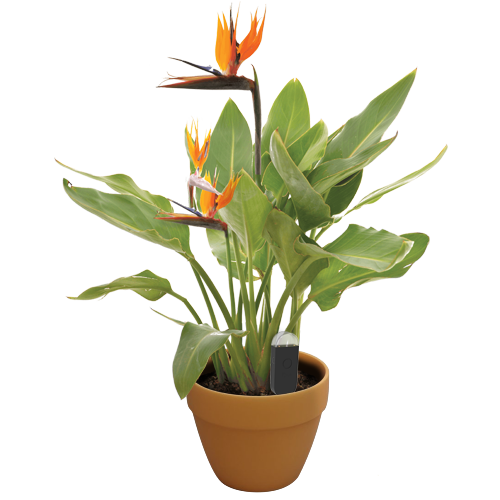
Plant Monitor
STAYS IN YOUR PLANT
Accurately measures the core metrics of your plant – soil moisture, light, temperature and humidity - as well as compound metrics such as Vapor Pressure Deficit (VPD) and Growing Degree Days (GDD).
Shop Now