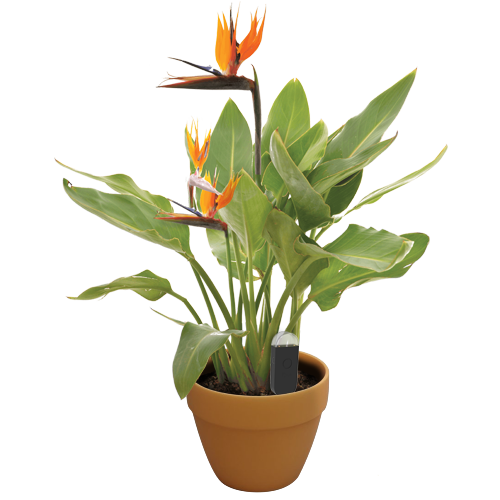
Crocus sativus
分类
家庭Iridaceae
属Crocus
区6
关于
Crocus sativus, commonly known as saffron crocus, is a flowering plant in the family Iridaceae. It is native to Greece and Southwest Asia and is known for producing the spice saffron from its stigmas. The plant is a tuberous geophyte, meaning it grows from a tuber and is adapted to survive adverse conditions. It prefers subtropical climates and has a dormancy period of about three months.
也称为
Geanthus Autumnalis
Safran Officinarum
Crocus autumnalis
Crocus colchiciflorus
Crocus officinalis
Crocus orsinii
Crocus pendulus
Crocus sativus subsp. orsinii
Crocus sativus var. cashmerianus
Crocus sativus var. officinalis
Crocus sativus var. orsinii
Crocus serotinus subsp. serotinus
Crocus setifolius
Saffron crocus
概述
细节
保养说明
Crocus sativus requires bright, direct sunlight for optimal growth. It thrives in moderate temperatures and prefers a humidity level around 50%. Water the plant sparingly, allowing the soil to dry out almost completely between waterings. Ensure good air circulation to prevent fungal diseases.收成
Crocus sativus, commonly known as saffron crocus, is typically harvested in the fall. The flowers bloom in the morning and should be picked the same day they open to ensure the highest quality. Harvesting involves carefully plucking the delicate flowers by hand, then separating the red stigmas from the rest of the flower. These stigmas are then dried to produce saffron. It is important to handle the flowers gently to avoid damaging the stigmas, and the drying process should be done in a warm, dry place to preserve the saffron's quality and potency.土壤
Crocus sativus prefers well-draining loam soil with a slightly acidic to neutral pH. The soil should be loose and rich in organic matter to support healthy tuber growth. Avoid waterlogged conditions as they can lead to tuber rot.肥料
Use a balanced fertilizer with a nutrient composition of 5-10-10. Fertilize the plant during its active growth period, typically in the spring and early summer. Avoid over-fertilizing as it can lead to excessive foliage growth at the expense of flower production.换盆
Repot Crocus sativus every 2-3 years or when the tubers outgrow their container. Repot during the dormancy period, usually in late summer. Use fresh, well-draining soil and ensure the new container has adequate drainage holes.传播
Crocus sativus can be propagated by dividing the tubers during the dormancy period. Carefully separate the tubers and plant them in individual pots or directly in the garden. Ensure they are planted at the correct depth and water sparingly until new growth appears.修剪
Pruning is not required for Crocus sativus. However, you can remove spent flowers and yellowing foliage to maintain the plant's appearance and prevent disease.毒性
Crocus sativus is not toxic to pets or humans. However, consuming large quantities of saffron can cause adverse effects, so it should be used in moderation.额外的
Crocus sativus is known for its high-value spice, saffron, which is harvested from the plant's stigmas. Harvesting saffron requires careful hand-picking and drying of the stigmas, making it one of the most labor-intensive and expensive spices in the world.彻底改变您的植物护理
让每一个工厂都变得聪明