Artemisia campestris
TAXONOMIE
FamilieAsteraceae
GattungArtemisia
Zone3
MEHR ERFAHREN
Plants of the World OnlineUM
Artemisia campestris, commonly known as field wormwood or field sagewort, is a perennial herb in the Asteraceae family. It is native to North America and Eurasia, typically found in dry, sandy soils and open areas. The plant has a woody base and produces aromatic, finely divided leaves. It undergoes a dormancy period during the winter months.
AUCH BEKANNT ALS
Field Mugwort
Artemisia campestris f. campestris
Artemisia campestris subsp. canescens
Artemisia campestris subsp. typica
Artemisia campestris var. campestris
Artemisia campestris var. clausonis
Artemisia campestris var. odoratissima
Artemisia campestris var. sosnovskyi
Oligosporus campestris subsp. campestris
Oligosporus campestris subsp. caudatus
ÜBERBLICK
VPDBerechnung
WasserTrocken
BodenSandig
LichtDirekt hell (6 Std)
Temperatur20° C
Feuchtigkeit40
Ruhezustand3 Monate
PH6,5
Druck1.013
EINZELHEITEN
Pflegehinweise
Artemisia campestris thrives in bright, direct sunlight and prefers moderate temperatures. It is drought-tolerant and does not require frequent watering. The plant can handle low humidity levels and is well-suited for outdoor growth in well-drained soil.Boden
This plant prefers sandy soil with excellent drainage. It can tolerate nutrient-poor conditions and does not require rich soil. Ensure the soil dries out almost completely between waterings to prevent root rot.Dünger
Artemisia campestris does not typically require fertilization. If desired, a light application of a balanced fertilizer can be used sparingly during the growing season.Umtopfen
Repotting is generally not necessary for Artemisia campestris, as it is well-suited to its native soil conditions. If repotting is needed, do so in the early spring before new growth begins, using a sandy, well-draining soil mix.Vermehrung
Propagation can be done through seeds or cuttings. Seeds should be sown in the spring, while cuttings can be taken in late spring or early summer. Ensure cuttings are taken from healthy, non-flowering stems and planted in sandy soil.Beschneidung
Pruning is beneficial for maintaining the shape and health of Artemisia campestris. Prune in early spring to remove dead or damaged stems and to encourage new growth. Regular pruning can also help prevent the plant from becoming too woody.Toxizität
Artemisia campestris is not known to be toxic to pets or humans. However, as with all plants, it is best to prevent ingestion by pets and children.Zusätzlich
Artemisia campestris is known for its aromatic foliage, which can be used in dried flower arrangements or as a natural insect repellent. The plant is also deer-resistant, making it a good choice for gardens in areas with high deer populations.REVOLUTIONIEREN SIE IHRE PFLANZENPFLEGE
Machen Sie Jede Pflanze Intelligent
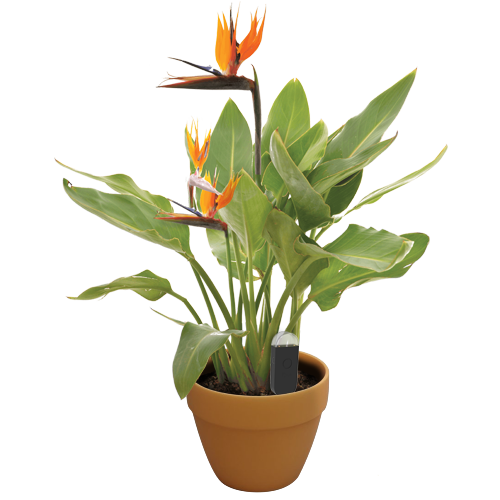
Pflanzenmonitor
BLEIBT IN IHRER ANLAGE
Misst präzise die Kernwerte Ihrer Pflanze – Bodenfeuchtigkeit, Licht, Temperatur und Luftfeuchtigkeit – sowie zusammengesetzte Werte wie Dampfdruckdefizit (VPD) und Wachstumsgradtage (GDD).
Jetzt einkaufen