Carex lupulina
TAXONOMIE
FamilieCyperaceae
GattungCarex
Zone4
MEHR ERFAHREN
Plants of the World OnlineUM
Carex lupulina, commonly known as hop sedge, is a perennial plant in the family Cyperaceae. It is native to North America and typically found in wet meadows, marshes, and along stream banks. The plant has a rhizomatous growth habit and forms dense clumps. It is known for its distinctive seed heads that resemble hops, hence the common name.
AUCH BEKANNT ALS
Hop Sedge
Carex bella-villa
Carex canadensis
Carex gigantea f. bella-villa
Carex gigantea var. lupulina
Carex lupulina var. albomarginata
Carex lupulina var. androgyna
Carex lupulina var. bella-villa
Carex lupulina var. longipedunculata
Carex lupulina var. lupulina
Carex lurida
ÜBERBLICK
VPDBerechnung
WasserSehr feucht
BodenLehmig
LichtMittel (6 Std)
Temperatur15° C
Feuchtigkeit70
Ruhezustand3 Monate
PH6,5
Druck1.013
EINZELHEITEN
Pflegehinweise
Carex lupulina thrives in temperate climates and prefers moderate temperatures. It requires medium light conditions and high humidity. The plant should be kept in consistently wet soil, as it naturally grows in marshy areas. It does not require frequent pruning and is relatively easy to care for if its moisture needs are met.Boden
Carex lupulina prefers loamy soil that is consistently wet or even waterlogged. Good drainage is not a primary concern for this plant, as it naturally grows in marshy environments. The soil should be rich in organic matter to support its growth.Dünger
This plant does not have high fertilizer requirements. If desired, a balanced, slow-release fertilizer can be applied in the spring to support new growth. Over-fertilization should be avoided to prevent nutrient imbalances.Umtopfen
Carex lupulina can be repotted if necessary, typically in the spring. When repotting, ensure the new container has ample space for the rhizomes to spread. Use a loamy soil mix that retains moisture well.Vermehrung
Propagation of Carex lupulina is typically done through division of the rhizomes. This can be done in the spring or early fall. Carefully separate the clumps and replant them in suitable wet soil conditions.Beschneidung
Pruning is not generally required for Carex lupulina. However, dead or damaged foliage can be removed to maintain the plant's appearance. This can be done at any time of the year.Toxizität
Carex lupulina is not known to be toxic to pets or humans. It is generally considered safe to grow in gardens and natural areas.REVOLUTIONIEREN SIE IHRE PFLANZENPFLEGE
Machen Sie Jede Pflanze Intelligent
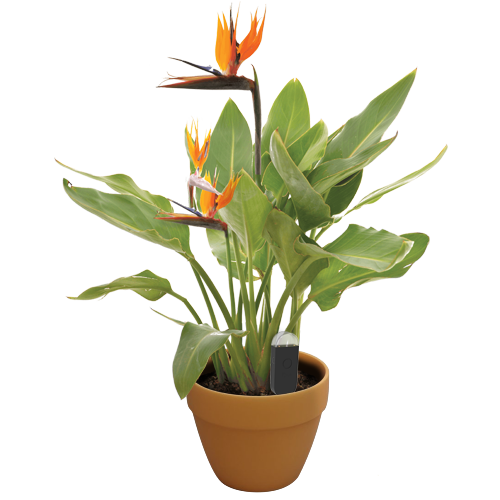
Pflanzenmonitor
BLEIBT IN IHRER ANLAGE
Misst präzise die Kernwerte Ihrer Pflanze – Bodenfeuchtigkeit, Licht, Temperatur und Luftfeuchtigkeit – sowie zusammengesetzte Werte wie Dampfdruckdefizit (VPD) und Wachstumsgradtage (GDD).
Jetzt einkaufen