Fabiana imbricata
TAXONOMIE
FamilieSolanaceae
GattungFabiana
Zone8
MEHR ERFAHREN
Plants of the World OnlineUM
Fabiana imbricata, commonly known as pichi, is a shrub native to the temperate regions of South America, particularly Chile and Argentina. It belongs to the Solanaceae family and is known for its small, scale-like leaves and white, tubular flowers. The plant is often used in traditional medicine and has a dormancy period during the winter months.
AUCH BEKANNT ALS
Pichi
Fabiana araucana
Fabiana biflora
Fabiana imbricata var. biflora
Fabiana lutescens
ÜBERBLICK
VPDBerechnung
WasserTrocken
BodenLehmig
LichtDirekt hell (6 Std)
Temperatur18° C
Feuchtigkeit50
Ruhezustand3 Monate
PH6,5
Druck1.013
EINZELHEITEN
Pflegehinweise
Fabiana imbricata thrives in temperate climates with moderate temperatures. It prefers direct bright light and should be watered when the soil is almost completely dry. The plant enjoys moderate humidity and should be kept in well-ventilated areas. Regular pruning is necessary to maintain its shape and encourage new growth.Boden
Fabiana imbricata prefers well-draining loam soil. The soil should be allowed to dry out almost completely between waterings to prevent root rot. Good drainage is essential, so consider adding sand or perlite to the soil mix.Dünger
Use a balanced fertilizer with an N-P-K ratio of 10-10-10. Fertilize the plant during the growing season, typically in spring and summer, every 4-6 weeks. Avoid over-fertilizing as it can harm the plant.Umtopfen
Repot Fabiana imbricata every 2-3 years or when it outgrows its current pot. Choose a pot that is slightly larger than the current one and ensure it has good drainage. Repotting is best done in the spring before the growing season begins.Vermehrung
Fabiana imbricata can be propagated through semi-hardwood cuttings taken in late summer. Dip the cuttings in rooting hormone and plant them in a well-draining soil mix. Keep the cuttings in a warm, humid environment until they root.Beschneidung
Prune Fabiana imbricata in late winter or early spring before new growth begins. Remove any dead or damaged branches and trim back to maintain the desired shape. Regular pruning encourages bushier growth and more flowers.Toxizität
Fabiana imbricata is not known to be toxic to pets or humans. However, as with all plants, it is best to keep it out of reach of small children and pets to prevent any accidental ingestion.Zusätzlich
Fabiana imbricata is relatively low-maintenance but benefits from regular monitoring for pests such as aphids and spider mites. Ensure good air circulation around the plant to prevent fungal diseases. Mulching around the base can help retain moisture and regulate soil temperature.REVOLUTIONIEREN SIE IHRE PFLANZENPFLEGE
Machen Sie Jede Pflanze Intelligent
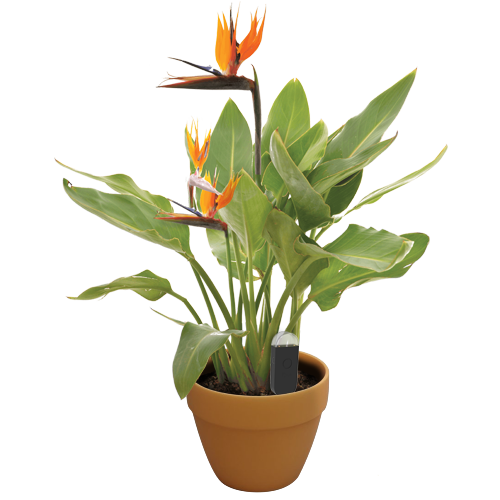
Pflanzenmonitor
BLEIBT IN IHRER ANLAGE
Misst präzise die Kernwerte Ihrer Pflanze – Bodenfeuchtigkeit, Licht, Temperatur und Luftfeuchtigkeit – sowie zusammengesetzte Werte wie Dampfdruckdefizit (VPD) und Wachstumsgradtage (GDD).
Jetzt einkaufen