Rhododendron periclymenoides
TAXONOMIE
FamilieEricaceae
GattungRhododendron
Zone5
MEHR ERFAHREN
Plants of the World OnlineUM
Rhododendron periclymenoides, commonly known as the Pinxterbloom Azalea, is a deciduous shrub native to the eastern United States. It belongs to the Ericaceae family and the Rhododendron genus. This plant thrives in temperate climates and is known for its beautiful pink to white flowers that bloom in spring. It typically grows in woodland areas and along stream banks.
AUCH BEKANNT ALS
Pinxterbloom azalea
ÜBERBLICK
VPDBerechnung
WasserNass
BodenLehmig
LichtIndirekt hell (6 Std)
Temperatur18° C
Feuchtigkeit60
Ruhezustand3 Monate
PH5,5
Druck1.013
EINZELHEITEN
Pflegehinweise
Rhododendron periclymenoides requires indirect bright light and moderate temperatures. It prefers evenly moist soil and high humidity. Regular watering is essential, especially during dry periods. Ensure the plant is protected from harsh, direct sunlight to prevent leaf burn.Boden
This plant prefers well-draining, loamy soil that is rich in organic matter. The soil should be kept evenly moist but not waterlogged. A slightly acidic pH is ideal for optimal growth.Dünger
Use a balanced fertilizer with a nutrient composition of 10-10-10. Fertilize in early spring and again in late summer to support healthy growth and flowering.Umtopfen
Repotting is generally not required for outdoor plants. However, if grown in containers, repot every 2-3 years to refresh the soil and provide more space for root growth. Repot in early spring before new growth begins.Vermehrung
Rhododendron periclymenoides can be propagated through softwood cuttings taken in late spring or early summer. Ensure the cuttings have at least one node and use rooting hormone to encourage root development. Plant the cuttings in a well-draining soil mix and keep them in a humid environment until roots establish.Beschneidung
Pruning is necessary to maintain the shape and health of the plant. Prune immediately after flowering to remove spent blooms and any dead or diseased branches. Light pruning can also help improve air circulation within the plant.Toxizität
Rhododendron periclymenoides is toxic to pets and humans if ingested. All parts of the plant contain grayanotoxins, which can cause symptoms such as vomiting, drooling, and lethargy in pets, and nausea, vomiting, and abdominal pain in humans.Zusätzlich
Mulching around the base of the plant can help retain soil moisture and regulate temperature. Avoid planting Rhododendron periclymenoides in areas with poor air circulation to prevent fungal diseases.REVOLUTIONIEREN SIE IHRE PFLANZENPFLEGE
Machen Sie Jede Pflanze Intelligent
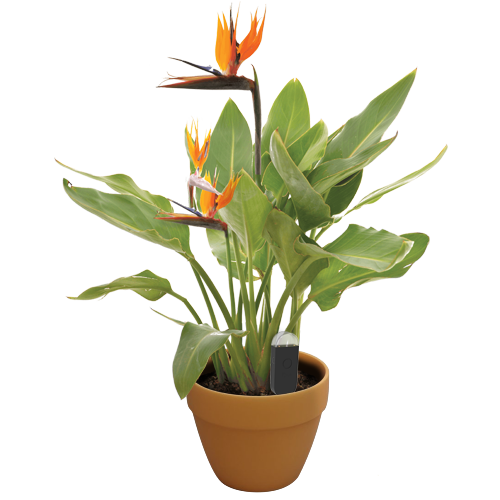
Pflanzenmonitor
BLEIBT IN IHRER ANLAGE
Misst präzise die Kernwerte Ihrer Pflanze – Bodenfeuchtigkeit, Licht, Temperatur und Luftfeuchtigkeit – sowie zusammengesetzte Werte wie Dampfdruckdefizit (VPD) und Wachstumsgradtage (GDD).
Jetzt einkaufen