Urtica urens
TAXONOMIE
FamilieUrticaceae
GattungUrtica
Zone4
MEHR ERFAHREN
Plants of the World OnlineUM
Urtica urens, commonly known as annual nettle or small nettle, is a member of the Urticaceae family. It is native to Europe but has spread to many temperate regions around the world. This annual plant is known for its stinging hairs that can cause skin irritation. It typically grows in disturbed soils and can be found in gardens, fields, and along roadsides.
AUCH BEKANNT ALS
Burning Nettle
Dwarf Nettle
Stinging Nettle
Urtica atlantica
Urtica cubensis
Urtica ovalifolia
Urtica parvula
Urtica quadristipulata
Urtica trianae
ÜBERBLICK
EINZELHEITEN
Pflegehinweise
Urtica urens prefers moderate temperatures and medium light conditions. It thrives in environments with consistent moisture and moderate humidity. Regular watering is essential to keep the soil evenly moist. The plant can tolerate a range of temperatures but prefers temperate climates.Boden
The plant prefers loamy soil that is well-draining. It can tolerate a range of soil pH levels but thrives best in slightly acidic to neutral soils. Ensure the soil remains consistently moist but not waterlogged.Dünger
A balanced fertilizer with an N-P-K ratio of 10-10-10 can be applied during the growing season to support healthy growth. Fertilize every 4-6 weeks for optimal results.Umtopfen
As an annual plant, Urtica urens does not typically require repotting. However, if grown in containers, ensure the pot is large enough to accommodate its root system and repot if the plant becomes root-bound.Vermehrung
Urtica urens can be propagated by seeds. Sow the seeds in early spring directly into the soil or in seed trays. Keep the soil moist until germination, which usually occurs within 1-2 weeks.Beschneidung
Pruning is not generally required for Urtica urens. However, removing any dead or damaged leaves can help maintain the plant's appearance and health.Toxizität
Urtica urens is known for its stinging hairs that can cause skin irritation and a burning sensation upon contact. The plant is toxic to pets and humans if ingested, causing symptoms such as nausea and vomiting.REVOLUTIONIEREN SIE IHRE PFLANZENPFLEGE
Machen Sie Jede Pflanze Intelligent
Pflanzenmonitor
BLEIBT IN IHRER ANLAGE
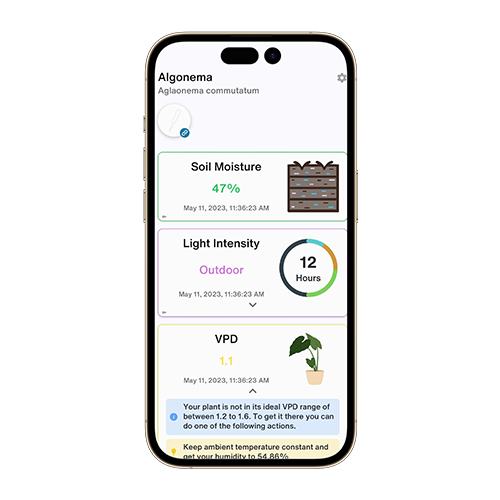
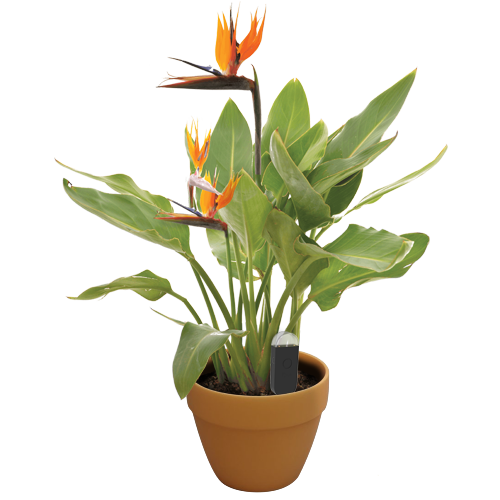
Misst präzise die Kernwerte Ihrer Pflanze – Bodenfeuchtigkeit, Licht, Temperatur und Luftfeuchtigkeit – sowie zusammengesetzte Werte wie Dampfdruckdefizit (VPD) und Wachstumsgradtage (GDD).
Jetzt einkaufen